Orthopaedic trauma care involves the urgent assessment and treatment of injuries affecting the bones, joints, and soft tissues—often following accidents, falls, or high-impact incidents. These...

Orthopaedic Trauma Care
read more

Explore common hip, knee, sports injury, trauma and lower limb conditions assessed and treated by Professor Ali Ghoz.
Professor Ali Ghoz assesses and treats a wide range of orthopaedic conditions affecting the hip, knee, foot, ankle and lower limb.
Each condition page explains common symptoms, possible causes, diagnosis and the treatment options that may be considered.
Orthopaedic trauma care involves the urgent assessment and treatment of injuries affecting the bones, joints, and soft tissues—often following accidents, falls, or high-impact incidents. These...
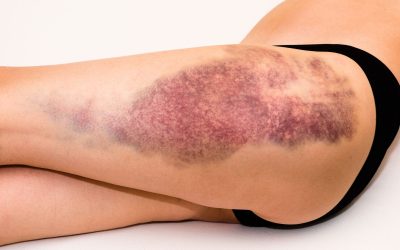
What are Soft Tissue Injuries? Soft tissue injuries involve damage to muscles, ligaments, and tendons, often resulting from trauma, overuse, or sudden movements. Symptoms Pain and tenderness...
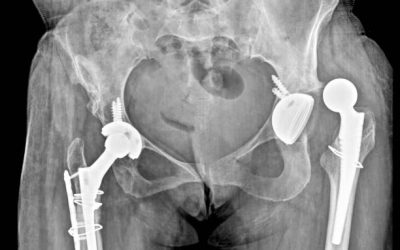
What are Dislocations? Dislocations occur when bones are forced out of their normal positions, often due to trauma or accidents. Symptoms Severe pain Swelling and bruising Inability to move the...

What are PCL Tears? PCL tears involve damage to the posterior cruciate ligament, another key ligament for knee stability, often resulting from direct impact or trauma. Symptoms Knee pain and...

What is Post-Traumatic Arthritis? Post-traumatic arthritis is a form of osteoarthritis that develops after an injury to the knee, such as a fracture or ligament tear. Symptoms Pain and swelling in...
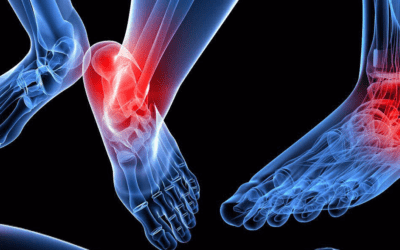
What are Fractures? Fractures are breaks in the bones that can occur in various parts of the body, including the foot, ankle, hip, and around joint replacements. Fractures can result from trauma,...
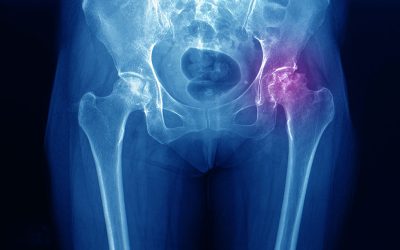
What is Avascular Necrosis? Avascular necrosis, also known as osteonecrosis, is the death of bone tissue due to a lack of blood supply. This condition commonly affects the hip and knee, leading to...

What is Rheumatoid Arthritis? Rheumatoid arthritis is an autoimmune disease that causes chronic inflammation of the joints, including the hip and knee. The body's immune system mistakenly attacks...
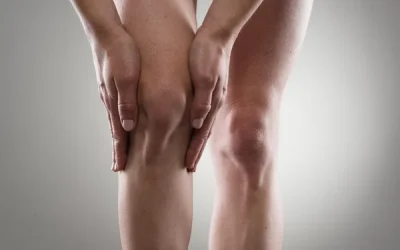
What is Osteoarthritis? Osteoarthritis is a degenerative joint disease that affects the cartilage within joints, including the hip and knee. Over time, the cartilage wears away, causing pain,...
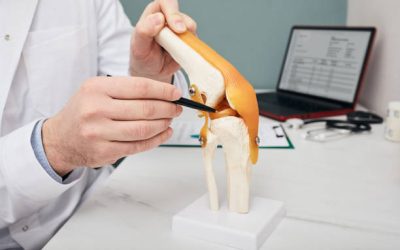
What is a meniscal tear? A meniscal tear is an injury which typically occurs when playing sports. It is a painful injury which can happen when playing a variety of games including football,...
What is knee tendonitis? Knee tendonitis, also known as patellar tendonitis, refers to an injury to the tendon which connects the shin bone to the patellar (knee cap). This tendon is vital to...
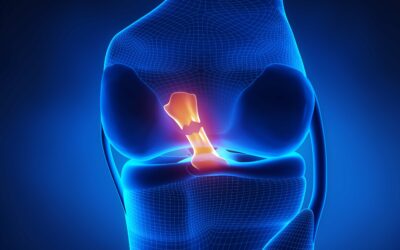
What is an ACL Injury? An ACL injury - which is an acronym for an anterior cruciate ligament injury - refers to an injury to a major knee ligament. The ACL itself connects the thigh bone (femur) to...
What is knee arthritis? Knee arthritis is a condition which involves pain, swelling and stiffness in the knee joint. This happens due to the wearing away of the cartilage which prevents the bones of...
Professor Ali Ghoz helps patients understand the cause of their symptoms and the most appropriate next steps, from diagnosis through to treatment planning.
Assessment focuses on understanding your symptoms, medical history, mobility and any previous injuries or treatment.
Depending on the diagnosis, treatment may involve physiotherapy, injections, minimally invasive procedures or surgery.
Recommendations are tailored to your condition, lifestyle, goals and long-term joint health.
Book an assessment with Professor Ali Ghoz to discuss your diagnosis, treatment options and the most appropriate next steps.
