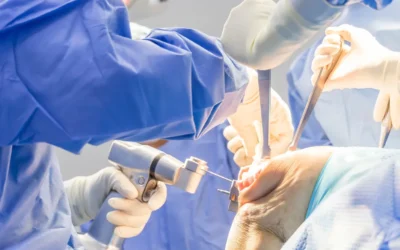
Minimally invasive hip surgery has gained increasing attention as patients look for faster recovery and less disruption to daily life. But what does it actually involve?
What is minimally invasive hip surgery?
This approach uses smaller incisions and muscle-sparing techniques compared to traditional hip replacement.
The goal is to reduce tissue damage while still achieving a safe and effective outcome.
How is it different from traditional surgery?
Key differences include:
- Smaller incision
- Less muscle disruption
- Potentially reduced pain post-operatively
However, the implant and overall goals of surgery remain the same.
What are the benefits?
Patients may experience:
- Shorter hospital stay
- Faster initial recovery
- Earlier mobilisation
That said, long-term outcomes are similar to traditional approaches.
Are there any risks?
Minimally invasive techniques can be technically demanding.
Not all patients are suitable, particularly:
- Those with complex anatomy
- Revision surgery cases
- Severe deformity
What is recovery like?
Recovery still requires:
- Physiotherapy
- Gradual return to activity
- Commitment to rehabilitation
Minimally invasive does not mean “minor surgery.”
Conclusion
Minimally invasive hip surgery can offer meaningful early recovery benefits, but it is not appropriate for everyone. The choice of surgical approach should always be tailored to the individual patient.
If you would like expert advice on treatment options, please get in touch with my clinic.